
Naloxone HCl: Uses, Effects, and Opioid Overdose Safety
October 19, 2026 2026-10-19 18:18Naloxone HCl: Uses, Effects, and Opioid Overdose Safety
 I AM ADMINISTRATOR
Naloxone HCl: Uses, Effects, and Opioid Overdose Safety
Introduction
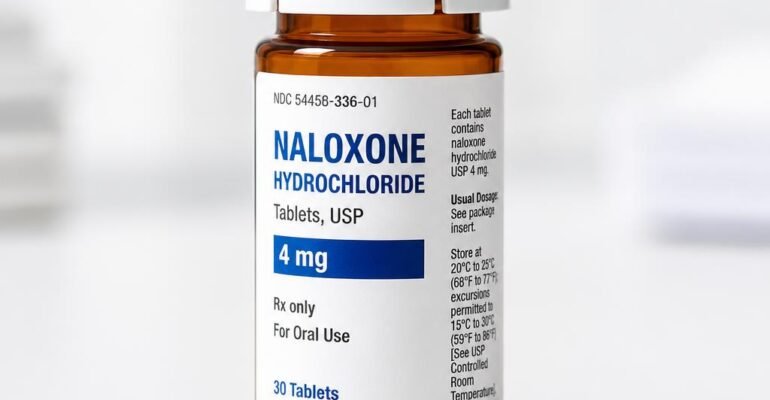
Naloxone HCl, also known as naloxone hydrochloride, is a medication used to reverse the potentially life-threatening effects of an opioid overdose. It plays an important role in emergency medicine and overdose prevention by helping restore breathing when opioids have slowed or stopped a person’s respiratory function.
Opioid overdoses can involve prescription pain medications, heroin, fentanyl, and other opioid substances. Because an overdose can progress rapidly, recognizing warning signs and understanding how naloxone works can help individuals, families, caregivers, and healthcare professionals respond appropriately during an emergency.
Although naloxone is an important emergency medication, its effects are temporary, and it does not replace professional medical care. Understanding its uses, formulations, potential side effects, and limitations is essential for responsible medication education.
This guide explains what Naloxone HCl is, how it works, when it may be used, what safety considerations matter, and where to find reliable medical information.
What Is Naloxone HCl?
Naloxone HCl is the hydrochloride salt form of naloxone, an opioid antagonist. An opioid antagonist blocks or reverses the effects of opioids at opioid receptors in the body.
Naloxone is primarily used as an emergency medication for known or suspected opioid overdose. By displacing opioids from opioid receptors, it can help reverse opioid-related respiratory depression and restore breathing.
The medication is available in different formulations, including nasal sprays and injectable solutions. The appropriate formulation depends on the specific product, its approved instructions, and the circumstances in which it is used.
Naloxone is not an opioid painkiller, and it does not produce the same effects as opioid medications. It is specifically used to counter opioid effects rather than to treat pain or provide ongoing treatment for an underlying substance use disorder.
For additional information, the U.S. Food and Drug Administration (FDA) provides educational resources about naloxone and other overdose-reversal medications.
What Is Naloxone HCl Used For?
The principal use of Naloxone HCl is the emergency reversal of opioid overdose. It can be used in healthcare settings and, depending on the formulation and local regulations, by trained or untrained bystanders responding to a suspected overdose.
1. Emergency Treatment of Opioid Overdose
An opioid overdose can cause breathing to become dangerously slow or stop altogether. Naloxone can temporarily reverse these effects, providing a critical opportunity for emergency medical care.
It may be effective against overdoses involving opioids such as:
- Fentanyl
- Heroin
- Morphine
- Oxycodone
- Hydrocodone
- Methadone
- Codeine
The response to naloxone varies according to the opioid involved, the severity of the overdose, and other contributing factors. Some overdoses require additional doses and ongoing medical treatment.
2. Emergency and Clinical Care
Healthcare professionals may use naloxone as part of an emergency response when opioid-related respiratory or central nervous system depression is suspected.
The medication may also be supplied for community overdose prevention, allowing family members, caregivers, and other bystanders to respond while emergency services are on their way.
3. Overdose Preparedness
People prescribed opioid medications, their household members, and individuals who may encounter opioid overdoses can benefit from learning about naloxone availability and emergency response.
Having naloxone accessible can help reduce the time between recognizing an overdose and providing potentially lifesaving assistance.
The Centers for Disease Control and Prevention (CDC) explains how naloxone works and why access to the medication matters.
How Does Naloxone HCl Work?
Naloxone works by binding to opioid receptors and blocking or displacing opioid substances from those receptors. This action can reverse the effects of opioids that suppress breathing and consciousness.
When an opioid overdose causes breathing to slow significantly, naloxone may restore normal breathing within minutes. However, the response is not guaranteed, and the person still requires emergency assessment.
Several factors influence the response, including the opioid involved, the severity of the overdose, the formulation administered, and whether other substances have also been taken.
Naloxone has a relatively short duration of action compared with some opioids. As a result, overdose symptoms can return after an initial improvement, particularly when a longer-acting opioid is involved.
This is why emergency medical care remains necessary even when a person appears to recover after receiving naloxone.
Signs of an Opioid Overdose
Recognizing the signs of an opioid overdose is essential because prompt action can save a life.
Possible warning signs include:
- Unconsciousness or an inability to wake the person
- Slow, shallow, irregular, or stopped breathing
- Choking, gurgling, or unusual snoring sounds in an unresponsive person
- Blue, grey, or unusually pale lips or fingernails
- Very small pupils
- A limp body or extreme drowsiness
Not every overdose presents with all these symptoms. If you suspect an overdose, do not wait for every warning sign to appear.
What to Do If an Overdose Is Suspected
- Call emergency services immediately. In the United States, call 911.
- Administer naloxone if available. Follow the instructions for the specific nasal spray or injectable product.
- Support breathing and follow emergency dispatcher instructions. Provide rescue breathing or CPR if indicated and you are able to do so.
- Give another dose if necessary. Follow the product instructions and emergency dispatcher guidance if the person does not respond or symptoms return.
- Stay with the person. Monitor their condition until emergency professionals take over. If they are breathing but remain unresponsive, place them on their side when appropriate to help reduce choking risk.
Do not assume that a person is safe simply because they wake up after receiving naloxone. The effects of the opioid may return, and complications can persist.
For detailed emergency guidance, consult the CDC’s opioid overdose response information.
Available Forms of Naloxone HCl
Naloxone is available in different formulations intended for specific routes of administration.
Naloxone Nasal Spray
Nasal spray formulations are designed for administration into the nostril. Certain products are available without a prescription in the United States, making them accessible for community overdose response.
Users should follow the instructions supplied with their specific product, including guidance about repeat administration and emergency care.
Injectable Naloxone
Injectable formulations are used in clinical and community settings, depending on the product and local rules. They may be administered intramuscularly, subcutaneously, or intravenously when the formulation and clinical circumstances permit.
Injectable products differ in concentration, packaging, and instructions. They should not be treated as interchangeable solely because they contain naloxone hydrochloride.
Important: The formulation, concentration, and approved route of administration must be confirmed from the actual product labeling. A product name alone does not establish these details.
Potential Side Effects of Naloxone HCl
Naloxone can cause side effects, particularly when it rapidly reverses opioid effects in someone who is physically dependent on opioids.
Possible effects include:
- Nausea and vomiting
- Sweating
- Restlessness or agitation
- Increased heart rate
- Tremors
- Abdominal discomfort
- Muscle aches
- Symptoms of opioid withdrawal
These reactions may occur because naloxone abruptly reverses the effects of opioids. Although withdrawal can be distressing, treating a potentially fatal overdose remains the priority.
Serious complications may also occur in an overdose emergency, and not every symptom following naloxone is necessarily caused by the medication itself.
Emergency medical professionals should assess the person after administration, especially if breathing problems continue, symptoms return, or other complications develop.
Important Safety Considerations
Naloxone is an established emergency medication, but several limitations are important to understand.
Naloxone Does Not Reverse Every Drug Overdose
Naloxone specifically reverses opioid effects. It does not reverse overdoses caused solely by substances such as alcohol, benzodiazepines, or stimulants.
However, when opioid exposure is possible, naloxone may still be appropriate even if other substances are involved.
Its Effects May Wear Off
Some opioids remain active longer than naloxone. This means breathing problems and other overdose symptoms can return after an initial improvement.
Emergency evaluation and continued monitoring are therefore essential.
Product Instructions Matter
Different formulations have different concentrations, routes of administration, and instructions. Follow the labeling for the exact product being used and seek medical guidance when needed.
Naloxone Is Not a Substitute for Ongoing Treatment
Naloxone reverses an acute opioid overdose, but it does not treat the underlying causes of opioid use disorder or provide long-term protection against another overdose.
People affected by opioid use disorder may benefit from discussing evidence-based treatment options, including medications for opioid use disorder, with a qualified healthcare professional.
Naloxone HCl and Opioid Overdose Prevention
Access to naloxone is one part of a broader overdose prevention strategy. Education, timely emergency response, appropriate medication management, and access to treatment can all help reduce overdose-related harm.
People who are prescribed opioids should discuss overdose risks and whether keeping naloxone available is appropriate for their circumstances.
Family members and caregivers can also learn to recognize overdose symptoms and familiarize themselves with the instructions for the naloxone product available to them.
Community organizations, pharmacies, and healthcare providers may offer information about obtaining naloxone and learning how to respond to an overdose.
Frequently Asked Questions About Naloxone HCl
What is Naloxone HCl?
Naloxone HCl is naloxone hydrochloride, a medication used to reverse opioid overdose by blocking opioid effects. It is available in nasal spray and injectable formulations.
How quickly does naloxone work?
Naloxone can begin reversing opioid effects within minutes. The response depends on the formulation, the opioid involved, and the severity of the overdose. Emergency assistance is still necessary after administration.
Can naloxone reverse a fentanyl overdose?
Yes. Naloxone can reverse the opioid effects of fentanyl. Some overdoses may require additional doses and continued medical treatment.
Does naloxone cause withdrawal symptoms?
It can. In people who are physically dependent on opioids, naloxone may trigger sudden withdrawal symptoms, including nausea, sweating, agitation, and muscle aches.
Is naloxone available without a prescription?
Availability depends on the formulation and jurisdiction. In the United States, certain naloxone nasal sprays are available over the counter. Other formulations may have different dispensing requirements.
Does naloxone work for non-opioid overdoses?
Naloxone does not reverse the effects of substances that do not act on opioid receptors. However, it may still be appropriate when an opioid overdose is suspected, even if other substances may also be involved.
Is naloxone a treatment for opioid addiction?
No. Naloxone treats an acute opioid overdose. Opioid use disorder is a separate medical condition for which evidence-based treatments and ongoing support are available.
Conclusion
Naloxone HCl is an important medication in opioid overdose prevention and emergency care. By blocking opioid effects, it can help restore breathing and provide a critical opportunity for emergency treatment.
Understanding the medication’s uses, formulations, limitations, and potential side effects helps readers recognize its role in responding to opioid overdoses. However, naloxone is temporary emergency treatment, not a replacement for professional medical assessment or ongoing care.
For accurate information about naloxone products and their appropriate use, consult qualified healthcare professionals, pharmacists, official prescribing information, and recognized public health resources.
Medical Disclaimer
This article is intended for educational purposes only and does not constitute medical advice, diagnosis, or treatment. Always follow the instructions supplied with the specific medication and consult a qualified healthcare professional for individual medical questions. If an opioid overdose is suspected, contact emergency services immediately and administer naloxone if available.