
PTSD Treatment Options in Australia: A Complete Guide
October 15, 2026 2026-10-15 18:21PTSD Treatment Options in Australia: A Complete Guide
 I AM ADMINISTRATOR
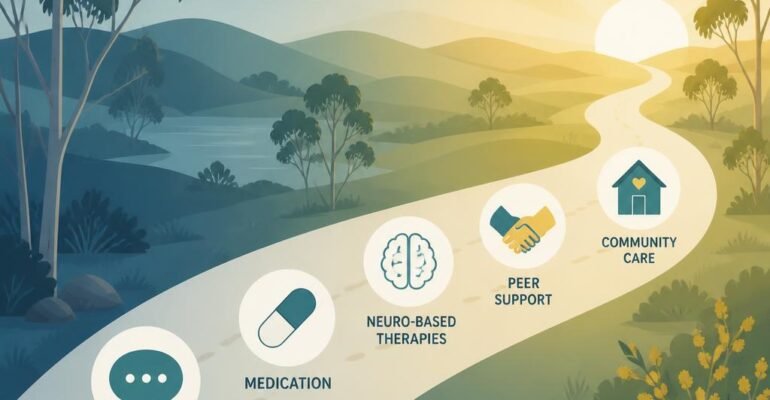
PTSD Treatment Options in Australia: A Complete Guide
Introduction
Post-traumatic stress disorder (PTSD) can affect people after experiencing or witnessing a traumatic event. Symptoms may include intrusive memories, nightmares, difficulty sleeping, avoidance of reminders, and persistent feelings of fear or distress.
Finding appropriate support can make an important difference. In Australia, several established treatment options are available, including trauma-focused psychotherapy and certain prescribed medications. Researchers are also investigating emerging approaches, including psychedelic-assisted therapies, although access and regulatory requirements vary.
This guide explains common PTSD treatment options in Australia, what patients can expect from professional care, and where to find reliable information.
What Is PTSD?
PTSD is a mental health condition that can develop after exposure to a traumatic event. Experiences associated with PTSD may include serious accidents, physical or sexual assault, military combat, natural disasters, or other threatening situations.
Not everyone who experiences trauma develops PTSD. Symptoms and their severity vary between individuals and may affect relationships, employment, concentration, and everyday activities.
A qualified healthcare professional can assess symptoms, consider other possible explanations, and recommend appropriate care.
Common PTSD Treatment Options in Australia
Treatment plans are tailored to individual needs. A healthcare professional may recommend psychotherapy, medication, or a combination of approaches.
Trauma-Focused Cognitive Behavioural Therapy
Trauma-focused cognitive behavioural therapy (TF-CBT) helps people understand connections between traumatic experiences, thoughts, emotions, and behaviour. Treatment may involve carefully supported work with trauma-related memories and beliefs.
This approach is an established treatment option for PTSD. Sessions are conducted by appropriately qualified practitioners and adapted to the individual’s needs.
Eye Movement Desensitisation and Reprocessing
Eye movement desensitisation and reprocessing (EMDR) is a structured psychological treatment used for trauma-related difficulties.
EMDR involves recalling aspects of a distressing experience while engaging in specific procedures guided by a trained therapist. A clinician can explain whether this approach is appropriate and discuss what treatment involves.
Medication for PTSD Symptoms
In some circumstances, a doctor may recommend prescription medication to help manage PTSD symptoms or associated conditions.
The choice of medication depends on the individual’s symptoms, health history, other medications, and preferences. Patients should discuss potential benefits, side effects, and monitoring requirements with their prescribing clinician.
Medication does not replace the need for an individualized treatment assessment, and no medicine is appropriate for everyone.
Understanding Emerging Psychedelic-Assisted Therapies
Psychedelic-assisted therapies have received growing research attention in mental healthcare. Studies have examined substances such as MDMA in structured psychotherapy protocols for selected patients with PTSD.
However, emerging research should not be confused with established routine care. Findings need to be assessed in light of study quality, potential adverse effects, longer-term outcomes, and applicable regulatory requirements.
In Australia, a restricted pathway introduced in July 2023 permits appropriately authorised psychiatrists to access unapproved MDMA products for PTSD under specified conditions. This is not general approval for unrestricted sale or personal use.
Anyone interested in these approaches should consult official Australian regulatory guidance and a qualified healthcare professional.
How to Find PTSD Support in Australia
People seeking help can begin by contacting a general practitioner, who can assess symptoms and discuss referrals to suitable mental health services.
Other resources may include registered psychologists, psychiatrists, community mental health services, and specialised trauma-support organisations.
When selecting a provider, consider their professional registration, experience treating trauma, treatment approach, appointment availability, and fees. Ask questions about treatment goals, expected progress, and alternatives before beginning care.
What to Expect During PTSD Treatment
Treatment usually begins with an assessment of symptoms, personal history, current circumstances, and safety considerations.
The clinician may work with the patient to establish goals and develop a treatment plan. Progress is reviewed over time, and the plan can be adjusted according to the person’s response and preferences.
Recovery is not always linear. Some people notice improvement gradually, while others may need to explore different treatment options with their healthcare professional.
Frequently Asked Questions
What is the most effective treatment for PTSD?
Trauma-focused psychotherapies are established evidence-based treatments for PTSD. The most appropriate option depends on the individual’s needs, circumstances, and clinical assessment.
Can PTSD be treated without medication?
Yes. Psychological therapies are important treatment options and may be used without medication. A clinician can help determine an appropriate plan.
Are psychedelic-assisted treatments available in Australia?
Access depends on the particular treatment and applicable regulatory framework. MDMA access for PTSD is restricted to an authorised pathway involving appropriately authorised psychiatrists and specific clinical safeguards.
How can I find a PTSD specialist in Australia?
Start with your general practitioner or use professional registration and healthcare directories to identify appropriately qualified practitioners.
Where can I get urgent mental health support in Australia?
If there is immediate danger, call 000. Lifeline Australia is available on 13 11 14 for crisis support.
Conclusion
PTSD treatment options in Australia include established psychological therapies, selected medications, and emerging approaches under investigation or restricted access arrangements.
Reliable information and professional assessment are important when choosing care. People experiencing PTSD symptoms should seek support from qualified healthcare professionals and avoid relying on unverified promises about experimental treatments.